
Sidelki24
Nearby 24/7
Mon-Fri 9:00-22:00
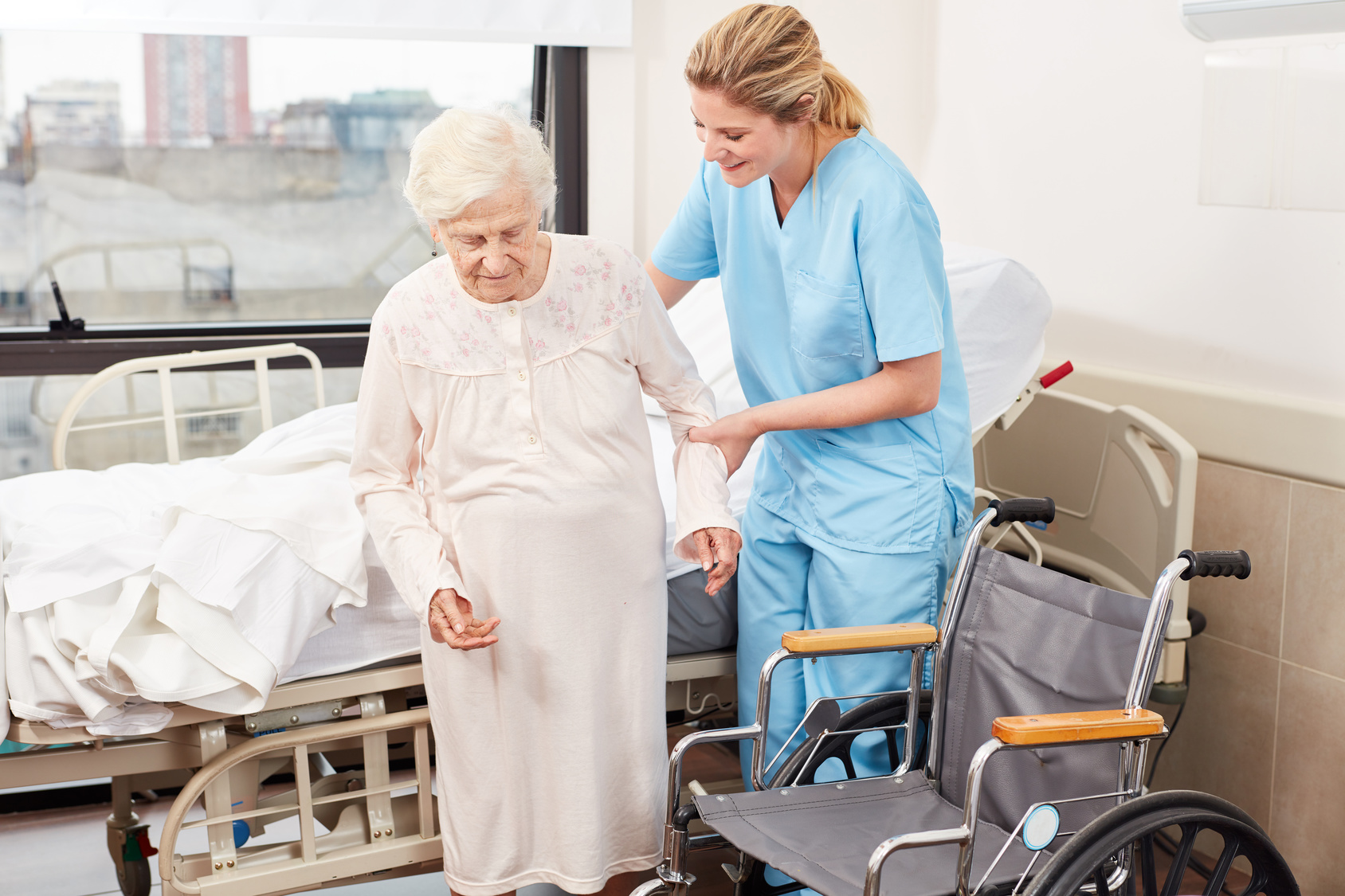
A prolonged illness or age-related changes gradually alter the familiar rhythm of family life. A person requires constant attention, assistance with daily activities, monitoring of well-being, and support throughout the day. In such conditions, live-in home care makes it possible to ensure stability, safety, and predictable results without relocation to specialized facilities. The live-in care format is suitable for situations where assistance is needed every day and over a long period of time.
A live-in caregiver for an elderly person is often involved in cases of gradual decline in physical endurance, memory impairment, or difficulties with self-care. For such individuals, a familiar environment, a habitual daily routine, and the constant presence of a caregiver nearby are essential.
A live-in caregiver for a patient is also relevant after strokes, complex surgeries, in oncological diseases, or progressive chronic conditions. Long-term rehabilitation requires a systematic approach, patience, and experience that is difficult to provide by family members alone without professional support.
A 24-hour caregiver stays with the ward day and night, monitors physical condition, assists with household tasks, and responds to changes in well-being. This format allows for quick adjustment of the care regimen depending on the person’s condition without violating the doctor’s recommendations.
A caregiver providing round-the-clock care takes responsibility for organizing the daily routine, meals, hygiene procedures, and safe movement around the home. Constant presence reduces the risks of falls, complications, and psychological isolation.
A qualified live-in caregiver works according to an agreed plan, taking into account the health condition, doctors’ recommendations, and the ward’s habits. The scope of duties is adjusted depending on the dynamics of the condition and the duration of care.
Qualified home care involves not only physical assistance but also attentive consideration of a person’s psychological needs, especially during prolonged activity limitations.
A live-in caregiver for a bedridden patient performs a set of actions aimed at maintaining vital functions and preventing complications. Such care requires experience, physical endurance, and knowledge of basic care principles.
A caregiver for a bedridden patient ensures regular body repositioning, assistance with hygiene, monitoring of skin condition, and comfort during rest. Long-term home care reduces emotional stress and contributes to a calmer course of the illness.
Long-term live-in care relieves relatives of a significant portion of daily responsibilities. The constant presence of a specialist allows family members to combine care for a loved one with work and personal matters without feelings of guilt or anxiety.
A caregiver for an elderly person at home helps preserve dignity and a familiar lifestyle. Remaining in a familiar environment positively affects emotional state and overall well-being.
Selecting a live-in caregiver requires a thorough assessment of the ward’s condition, family expectations, and living conditions. Work experience, psychological compatibility, and readiness for a long-term cooperation format play an important role.
Selecting a caregiver in Ukraine through a professional service reduces the risks of random choice. The caregiver selection service Sidelki24 works with verified candidates who have experience in long-term work with families and understand the specifics of live-in care.
Support from a specialized service allows for prompt response to changing needs, organization of replacements, and adjustment of the care format. A caregiver for an elderly person or patient receives support from coordinators, while the family has a clear communication channel.
This approach creates stable conditions for long-term cooperation, where the comfort and safety of the ward remain the top priority throughout the entire care period.


