
Sidelki24
Nearby 24/7
Mon-Fri 9:00-22:00
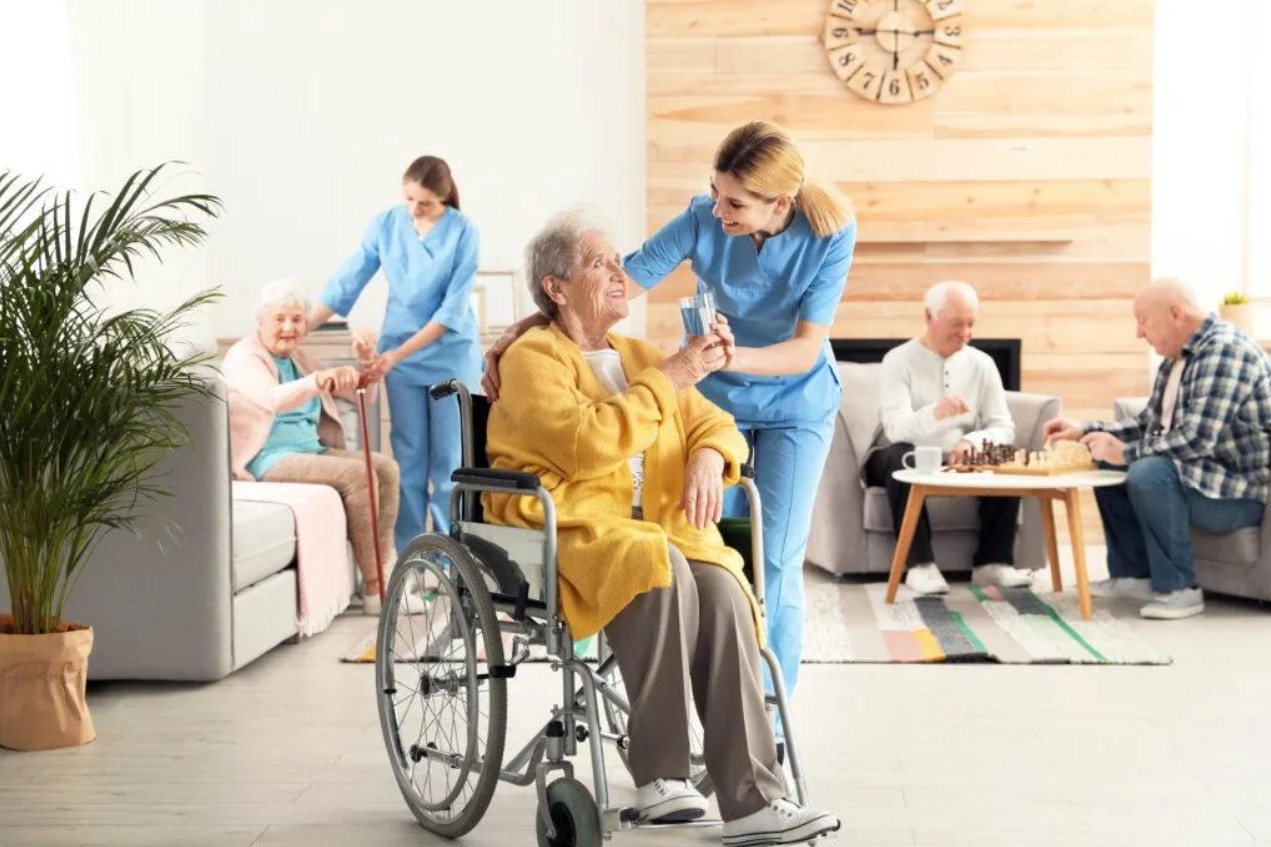
Palliative care at the end of life creates an environment where an elderly or seriously ill person receives the highest possible comfort and dignity. As illness advances and energy fades, needs grow more complex and the family faces a difficult period. Tension rises, daily chores become harder and the emotional atmosphere grows unstable. Support for the patient’s family takes on critical importance because each day brings new challenges. At such moments, qualified home care and professional accompaniment change quality of life for everyone involved. Palliative care at home helps avoid unnecessary stress, preserve familiar surroundings and strengthen the sense of safety.
When the body becomes exhausted, accurate assessment of pain in older adults becomes vital. Some patients cannot always describe what they feel, so a caregiver for an elderly person must rely not only on words but also on facial expression, bodily reactions and changes in breathing. Palliative pain management helps control physical suffering, while symptomatic care covers correction of respiratory disturbances, support for nausea, work with sleep disorders and reduction of anxiety. When responsibility is assumed by a live-in caregiver, someone remains in the home who observes the patient’s condition continuously and responds promptly.
Patient comfort in palliative care includes not only pain control but also correct body positioning, skin care, pressure sore prevention, maintenance of cleanliness and provision of a calm atmosphere. Care for bedridden palliative patients requires skill, patience and technical understanding. Family members do not always have the opportunity to organize such a regime on their own, so selection of a caregiver in Ukraine often becomes a key decision. The caregiver placement service Sidelki24 offers specialists who undergo specific training and have experience working with severe conditions.
Psychological support in palliative care fulfills a role no less important than the medical component. A person experiences uncertainty, complex emotions, fear of losing bearings and worry about possible changes. Conversation, a calm tone, attentive listening and the ability to remain present become powerful tools of support. A caregiver providing round-the-clock care not only assists with household tasks but also creates a sense of presence and stability.
The family also needs help, because long-term live-in care or a period of intensive deterioration of the patient’s condition exhausts resources. Some relatives hold on by sheer will, others lose balance between household duties, work and constant worry. Support for the patient’s family helps avoid emotional exhaustion and preserves the capacity for daily interaction with the ill person.
Planning palliative care begins with determining the patient’s needs: level of mobility, ability to perform self-care, frequency of pain, changes in breathing, swallowing problems and psychological reactions. Next comes formation of a daily routine that includes time for hygiene, nutrition, repositioning, brief conversations and rest. Home care with live-in support reduces risks and ensures continuity of observation.
A caregiver for a bedridden patient, especially when referring to a caregiver for an elderly person with live-in arrangements, takes on a substantial volume of tasks. Such an approach ensures a smooth flow of each day without chaotic changes or panicked decisions. The family feels reassured by the presence of a professional who understands the needs of the seriously ill and responds without hesitation.
The structure of palliative care always includes key directions. They cover household support, symptom control, monitoring, psychological assistance and environment organization. Below are the primary elements that compose balanced end-of-life care:
Choosing a live-in caregiver requires a careful approach. The specialist must master techniques for moving bedridden people, understand potential risks and remain able to act calmly in any situation. A live-in caregiver for a bedridden patient stays close even at night, providing round-the-clock accompaniment. A qualified live-in caregiver helps the family feel relief and focus on supporting their loved one rather than exhausting household tasks. The caregiver placement service Sidelki24 offers personalized selection of a specialist who matches the needs of a specific patient and their family.
Experience from many families shows that a caregiver for an elderly person with live-in arrangements brings confidence, structure and stability. Palliative care at home allows the patient to stay in a familiar space, which promotes inner calm and reduces anxiety. A live-in caregiver accompanies the patient through difficult moments, preserves dignity and gives the family the chance to be present without overload.


