
Sidelki24
Nearby 24/7
Mon-Fri 9:00-22:00
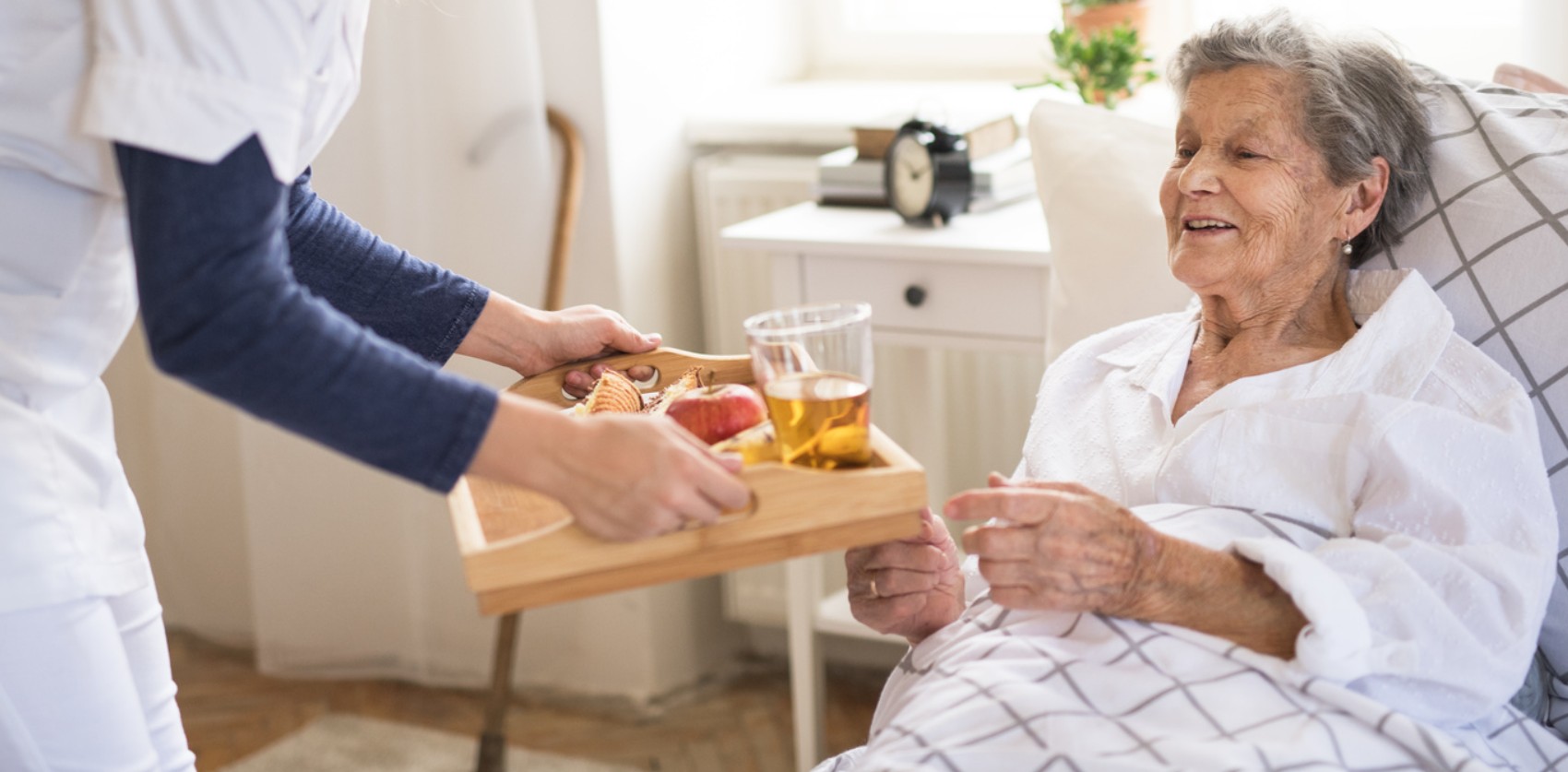
A cancer diagnosis changes the daily routine of the entire family. During treatment, a person often experiences weakness, limited mobility, and side effects after chemotherapy or surgery. Family members strive to provide support and assistance, but balancing caregiving with work and personal responsibilities becomes increasingly difficult. In such situations, it is important to involve a professional who can help organize daily life, monitor the patient’s condition, and create comfortable conditions for recovery.
That is why caregiver and nursing services have become a valuable solution for families seeking reliable support for a loved one. Professional assistance helps prevent physical and emotional burnout among relatives, while the patient receives the attention they need throughout the day.
The need for continuous assistance may arise at different stages of treatment. A live-in caregiver becomes especially important when a patient can no longer manage everyday activities independently or requires regular supervision.
During long-term treatment, a person may lose so much strength that even getting out of bed becomes a challenge. Under such circumstances, uninterrupted support is essential. A caregiver assists with personal hygiene, meals, mobility around the home, and ensures that medical recommendations are followed.
Round-the-clock support is most often required in the following situations:
In these circumstances, long-term patient care helps maintain a stable daily routine and provides a safe environment.
Not every hospitalized patient receives sufficient attention from family members. Relatives may live in another city or be unable to stay at the bedside throughout the day. In such cases, a hospital caregiver becomes an effective solution.
While staying in a medical facility, a patient may need assistance with meals, mobility, accompaniment to medical procedures, and emotional support. Patient care in a hospital helps ease the treatment process and eliminates many daily challenges.
Older adults often require additional attention because unfamiliar surroundings may cause confusion or anxiety. For them, the presence of a dedicated caregiver provides reassurance and a greater sense of security.
After discharge, many patients continue their recovery at home. At this stage, professional home care remains highly important because the risk of complications may still be present.
A caregiver helps monitor medication schedules, observes the patient’s well-being, maintains a clean and organized environment, and assists with daily routines. When necessary, a nurse at home may be involved to perform medical procedures that require professional qualifications.
Home healthcare services are especially valuable after surgery, during rehabilitation, or when regular wound care and dressings are required. This approach minimizes unnecessary trips to healthcare facilities while allowing the patient to remain in familiar surroundings.
The format of care should always be selected according to the individual’s needs. If a patient remains relatively independent and requires assistance only for a few hours each day, an hourly caregiver may be the most suitable option.
This arrangement works well for meal preparation, transportation to medical appointments, medication reminders, and personal care assistance. When a patient’s condition requires continuous supervision, live-in care is generally the better choice.
Sometimes families need support only for a limited period. In such situations, short-term care for seniors or patients recovering from surgery or intensive treatment can be an effective solution.
Cancer-related conditions often lead to significant mobility limitations. A patient may spend most of their time in bed, requiring a specialized approach to daily care.
A professional caregiver for a bedridden patient performs a wide range of responsibilities:
When the patient is an older adult, care may require additional attention because of coexisting health conditions. In such situations, a caregiver for an elderly person helps maintain daily routines and provides valuable support with everyday tasks.
Searching for a suitable caregiver independently often takes considerable time and does not always guarantee the desired outcome. Finding a caregiver in Ukraine requires careful consideration of many factors, including the patient’s health condition, work schedule requirements, professional experience, and the specific type of care needed.
The Sidelki24 caregiver placement service helps families find qualified professionals based on their individual circumstances. Depending on the situation, it is possible to arrange an hourly caregiver, hire a caregiver for hospital support, choose a live-in caregiver, or request a nurse at home for medical procedures.
Well-organized care significantly improves the quality of life of a cancer patient, helps maintain comfort throughout treatment, and creates an environment where support is available every day.


